
The question sounds harmless until it lands somewhere tender.
You’re at a café, or on a first call with someone new, and they ask, “So… tell me about yourself.” You open your mouth, and your mind automatically reaches for the hardest chapters first. Not because you want pity. Not because you’re trying to be intense. It’s just that pain became the most reliable summary of who you are.
If you’ve spent a long time surviving, your story starts to feel like your identity. You don’t just have a past, you live inside it. So when you try to describe yourself without mentioning what hurt you, it can feel like you’re erasing something important.
And that’s where the real question appears: How do you build a personality that isn’t pain-based… without pretending you never suffered?
This blog is about that middle path. Not forgetting. Not performing positivity. Just slowly becoming a person who is pain-informed, not pain-defined.

Pain-Based vs Pain-Informed: A Tiny Shift That Changes Everything
A pain-based personality happens when suffering becomes the main pillar of your self-image. You might notice that most of your humor, your opinions, your habits, your “type,” and even your social connections are shaped around what you endured. The problem isn’t that you talk about hard things. The problem is when hard things become the only language you feel fluent in.
A pain-informed personality is different. It acknowledges the past honestly, but it doesn’t build a whole life around it. It lets pain be part of the story without letting pain write every chapter.
Psychologists often talk about narrative identity - the internal life story we keep updating to make sense of who we are. When pain has been heavy, it can hijack that narrative and turn everything into “before and after.” But you can rewrite the bridge. You can decide what the next chapter is about.
Why Pain Becomes a Personality (Even When You Don’t Want It To)
Pain becomes an identity because it once served a purpose. It gave structure when your life felt chaotic. It gave you rules, even if they were harsh ones. It taught you what to avoid, who not to trust, what to prepare for, what “safe” looked like.
Over time, your nervous system starts treating intensity as normal. When things finally get quieter, calm can feel suspicious. Your mind may even start looking for problems, not because you love suffering, but because suffering feels predictable.
Long-term stress can also leave a real “wear and tear” effect on mind and body over time—something researchers often describe as the cumulative burden of chronic stress. When you’ve lived in that state, your system doesn’t instantly know how to relax just because life is calmer.
So if your personality feels pain-based, it doesn’t mean you’re broken. It means you adapted. Now you’re just ready to build something more spacious.
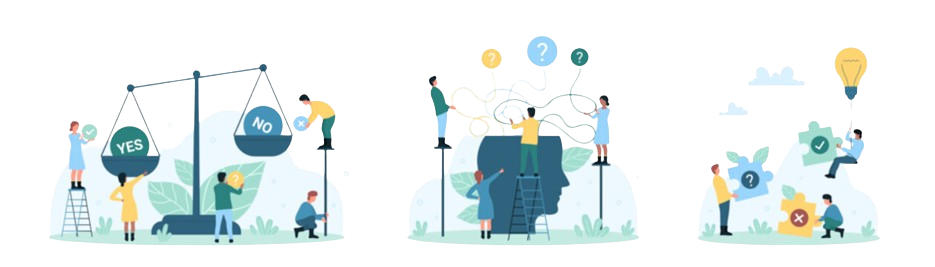
Step One: Build Identity From Values, Not Wounds
A pain-based identity is reactive: “I am who I am because of what happened to me.”
A values-based identity is chosen: “I am who I am because of what matters to me.”
This can feel almost too simple, but it’s foundational. Values are the parts of you that can exist on good days and bad days. They’re less dramatic than pain, but more stable.
Take a moment and ask: When life is normal, not perfect, just normal, what kind of person do I want to be? Not what you want to achieve, but how you want to show up.
Maybe it’s gentle. Maybe it’s curious. Maybe it’s honest. Maybe it’s disciplined. Maybe it’s playful. Choose three. You’re not tattooing them on your body. You’re just giving your personality new building blocks.
Then try this sentence:
“Even when life is messy, I want to be the kind of person who…”
That’s your compass.
Step Two: Collect “Neutral Evidence” of Who You Are
Pain has big emotions. Big emotions feel like proof.
But personalities are made in ordinary moments. In the way you choose music when you’re alone. In the way you react to small disappointments. In the things you notice in a room. In your humor when you’re not performing.
Start collecting proof of yourself that isn’t attached to trauma.
For the next week, notice small things and write them down: what made you smile, what annoyed you, what you kept coming back to, what you avoided, what felt comforting. Don’t judge any of it. You’re not trying to be impressive. You’re trying to meet yourself without pain being the translator.
This is how you begin to feel real in moments that aren’t intense.
Step Three: Create an “Interest Portfolio” (Small Is the Point)
A lot of people who’ve lived through hard seasons feel pressure to find a single massive passion that explains their existence. But identity isn’t one giant hobby. It’s a collection of small preferences that make you recognizable to yourself.
So instead of trying to “find your purpose,” build an interest portfolio. Two or three tiny interests that aren’t about healing. Not because healing is bad, but because you deserve mental space that doesn’t revolve around recovery.
Pick one thing for your hands (cooking, sketching, fixing something, plants, organizing, crafts). Pick one thing for your mind (a podcast topic, chess puzzles, astronomy videos, comedy clips, short essays). Pick one thing that’s purely sensory (music, fragrance, walking routes, food textures).
These don’t need to change your life. They just need to give your life texture.
Over time, you’ll notice something important: you start having thoughts that aren’t about pain. And that’s not avoidance. That’s growth.

Step Four: Learn to Tell Your Story Without Leading With Trauma
This doesn’t mean you hide your past. It means your past isn’t forced to be your introduction.
Many people who’ve been through a lot feel like trauma is the “realest” thing about them, so anything lighter feels fake. But you can be honest and still be wide.
Try introducing yourself in three parts:
- Present: what you’re into lately
- Preference: what you enjoy / value
- Personality: how you move through life
For example:
“I’ve been trying to build routines that feel kind instead of strict. I love people who can laugh at themselves. I’m a deep-feeler, but I’m learning calm.”
That’s still real. It’s just not pain-centered.
Step Five: Expand Your Emotional Range (Because You’re Not Just a Wound)
Pain-based identity often shrinks emotions into two modes: numb or overwhelmed.
Living requires more shades than that: contentment, peaceful boredom, safe excitement, mild pride, simple pleasure, playful curiosity. These emotions can feel unfamiliar at first. Sometimes they even feel unsafe, like you’re letting your guard down.
That’s why small practices matter. Even short meditations for mental health can help your nervous system learn that calm isn’t a trick, it’s a state you’re allowed to inhabit.
This isn’t about being happy all the time. It’s about having access to more than pain.
Step Six: Make Peace With the Past Self Who Needed Pain to Survive
One reason people cling to pain-based identity is loyalty. It can feel like if you stop centering the struggle, you’re betraying who you were.
But your past self doesn’t need you to stay hurt to prove you loved them. They need you to do what they couldn’t always do: live.
Try writing a note to your past self, like you’d write to a younger sibling:
“Thank you for keeping us going. Thank you for protecting us. You were right to be careful. But you don’t have to run the whole system anymore.”
You’re not firing your past self. You’re promoting them to advisor, not CEO.
Step Seven: Use Journaling as Identity Training, Not Trauma Replay
Journaling for mental health doesn’t have to be a daily deep dive into everything that went wrong. It can be a gentle way to build a sense of self that includes values, preferences, boundaries, and growth.
Try prompts like:
- “What felt most like me today?”
- “What value did I act on?”
- “What boundary did I protect?”
- “What would enhance mental health for me this week?”
- “What kind of life do I want when I’m not in crisis?”
This is health journaling that builds emotional wellbeing without forcing you to relive everything to prove it mattered.
Step Eight: Get Support That Matches This Phase of Life
Sometimes you’re not in crisis, but you still feel: I need help. Not because you’re falling apart, but because you’re rebuilding. That’s a valid reason to seek health support.
For some people that looks like therapy - especially if you genuinely feel you need therapy and want a human guide. For others, it’s structured tools that keep them consistent when motivation fluctuates.
A mental health app can be helpful here, not as a replacement for professional care, but as daily support, especially when you’re trying to build new habits like wellness journaling and calming routines. ChatCouncil, for example, blends guided journaling, meditations, and an AI in mental health conversation flow that helps you notice patterns, name emotions, and build coping strategies over time like a practical health guide for your wellness routine on ordinary days too.

The Quiet Goal: A Life That Isn’t a Monument to Pain
There’s a concept called post-traumatic growth - the idea that some people experience positive psychological change as they rebuild after hardship. It doesn’t mean trauma was “good.” It means growth can still happen afterward.
Building a personality that isn’t pain-based doesn’t mean you become shallow. It means you become whole.
You’re allowed to be funny again, without guilt. You’re allowed to be boring sometimes, without panic. You’re allowed to have preferences that have nothing to do with healing.
Because your pain is part of your story.
But it is not your entire character.