
There is a strange kind of silence that comes when life stops giving you instructions.
For years, someone told you where to be, what to wear, when to study, when to eat, when exams were coming, what success should look like, and what the next step was. School had bells. Home had rules. College had timetables. Parents had reminders. Teachers had deadlines. Even if you complained about it, the structure was there like invisible scaffolding around your life.
Then suddenly, one day, the scaffolding is gone.
You move to a new city. Start college. Begin your first job. Leave home. Graduate. Shift into a hostel. Enter adulthood. Or simply reach a stage where people stop managing your life for you.
At first, it sounds exciting.
No one is checking whether you slept on time. No one is forcing you to wake up. No one is asking if you finished your work. No one is deciding your routine.
But then the excitement slowly turns into something else.
You are free, yes.
But you are also responsible.
And that can feel emotionally shocking.

Freedom Can Feel Heavy at First
We often imagine independence as a movie scene.
A person moves into a new room, decorates their desk, makes coffee in the morning, works with confidence, meets new people, and becomes a better version of themselves.
Real independence is usually messier.
It can look like eating instant noodles at midnight because you forgot dinner. It can look like missing home but not wanting to admit it. It can look like having an entire Sunday free and still feeling anxious because nobody told you what to do with it.
The emotional shock comes from this sudden change:
Before: “Follow the system.”
Now: “Create the system.”
That is a huge shift.
When you live inside structure, you do not realize how many decisions are being made for you. Your day has a shape before you enter it. But independence asks you to become the person who gives shape to your own day.
That sounds empowering. And it is.
But at the beginning, it can also feel like standing in the middle of a huge empty room and being told, “Build your life here.”
The Loss of Structure Can Feel Like a Loss of Identity
When you move from structure to independence, you do not only lose routine. You may also lose a version of yourself.
In school, maybe you were “the topper,” “the funny one,” “the responsible child,” “the quiet student,” or “the friend everyone knew.”
At home, maybe you had a role. The elder sibling. The obedient one. The emotional one. The achiever. The one who never caused trouble.
In a structured environment, your identity often gets reflected back to you by other people.
But independence can remove that mirror.
Suddenly, no one knows your past. No one remembers your school achievements. No one cares that you used to be the best in your class. No one knows your family story. No one has already decided who you are.
This can be freeing.
It can also be deeply unsettling.
You may wonder, “Who am I when nobody is watching, guiding, praising, or correcting me?”
That question can feel scary, but it is also one of the most important parts of growing up.
Decision Fatigue Is Real
One of the hardest parts of independence is not making big life decisions. It is making hundreds of tiny ones.
What should I eat?
When should I sleep?
Should I go out or save money?
Should I study now or later?
Should I call home?
Should I say yes to this plan?
Should I rest or be productive?
Should I ask for help or handle it myself?
At first, these decisions seem small. But together, they can become mentally exhausting.
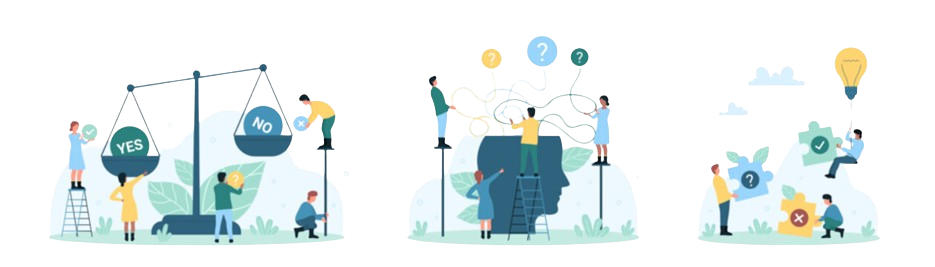
This is called decision fatigue. The more choices you have to make, the harder it becomes to make good ones. That is why people often fall into unhealthy patterns during major life transitions. Not because they are lazy or careless, but because their brain is suddenly managing too many open tabs.
A structured life reduces choices. An independent life multiplies them.
And when your mind is tired, even simple things can feel strangely difficult.
Loneliness Can Hide Inside Independence
One of the most surprising parts of independence is that you can be surrounded by people and still feel alone.
You may have classmates, roommates, colleagues, neighbours, or online friends. You may talk to people every day. But emotional closeness takes time. Familiarity takes time. Safety takes time.
In structured environments, relationships often form automatically. You see the same people in class, tuition, family gatherings, or neighbourhood spaces. But independence often requires you to build connection intentionally.
That is not easy for everyone.
The World Health Organization reported in 2025 that about 17–21% of people aged 13–29 feel lonely, with the highest rates among teenagers. It also noted that social connection is linked to better health and reduced risk of early death.
This matters because independence is often sold as “finally being on your own,” but humans are not designed to do everything alone.
You can enjoy freedom and still need connection.
You can love your new life and still miss your old one.
You can be independent and still need support.
Those things are not contradictions.
The First Taste of Independence Can Bring Anxiety
Independence often reveals anxieties that structure used to cover.
When someone else made the schedule, you did not have to face your relationship with discipline. When marks defined success, you did not have to decide what success meant to you. When family was nearby, you did not have to test how you handle emotional discomfort alone.
But once the structure is gone, inner questions get louder.
- “Am I falling behind?”
- “Am I wasting my freedom?”
- “Why can’t I manage basic things?”
- “What if I make the wrong choices?”
- “What if everyone else is handling adulthood better?”
These thoughts can become especially strong during transitions like moving away for college, starting a new job, living alone, or becoming financially responsible.
The World Health Organization has also noted that depression and anxiety are among the leading causes of illness and disability among adolescents. That does not mean every difficult transition is a disorder. But it does mean emotional struggle during young adulthood deserves attention, not dismissal.

Why “Just Be Responsible” Is Not Helpful
When someone struggles with independence, people often give very simple advice:
“Be disciplined.”
“Grow up.”
“Manage your time.”
“Everyone goes through this.”
“Stop overthinking.”
The problem is not that this advice is completely wrong. The problem is that it skips the emotional layer.
A person may know they need a routine and still feel unable to create one. They may know they should sleep early but still stay awake because nighttime is the only moment they feel in control. They may know they should cook, clean, study, and exercise, but the emotional weight of doing everything alone can feel overwhelming.
Independence is not only a practical skill. It is an emotional adjustment.
You are not just learning how to manage tasks. You are learning how to manage yourself without constant external guidance.
That takes time.
Building Your Own Structure Is the Real Skill
The goal of independence is not to live without structure. The goal is to create a structure that actually fits your life.
This is where many people get confused. They think freedom means having no routine. But too much unstructured freedom can quickly become stressful.
A healthy independent life usually needs small anchors.
For example:
- A fixed wake-up window
- A simple morning routine
- A weekly laundry or cleaning day
- A realistic study or work schedule
- Regular meals
- A budget you actually understand
- Time for friends
- Time alone without guilt
- A sleep routine that protects your energy
These anchors do not make life boring. They make life safer.
Structure is not the enemy of freedom. Structure is what allows freedom to feel stable.
Emotional Support Helps You Adjust Faster
During this transition, many people need a private place to sort their thoughts. Not because something is “wrong” with them, but because independence can bring confusion, anxiety, loneliness, and pressure all at once.
This is where tools like a mental health app, self care app, AI journaling app, mood tracking app, or mental health journal app can be useful. They help you notice patterns instead of carrying everything vaguely in your head.
ChatCouncil, for example, offers 24/7 AI therapy support, guided meditations, and journaling tools for anxiety, stress, and mental wellness. It can act like an AI wellness companion for people who need private mental health support while adjusting to new routines, new responsibilities, and unfamiliar emotional pressure.
Of course, an AI therapy app or mental health chatbot is not a replacement for professional help when someone is in serious distress. But for everyday reflection, stress relief, emotional check-ins, and building self-awareness, such tools can make support feel more accessible.
Sometimes, the most important first step is simply having a safe space to say, “I don’t know why this feels so hard.”

You Are Not Failing at Independence
If independence feels harder than you expected, it does not mean you are weak.
It means you are adjusting.
You are learning how to live without the old systems that quietly held your day together. You are learning how to make choices, build routines, manage emotions, create relationships, and become responsible for yourself.
That is not a small thing.
Nobody becomes independent in one dramatic moment. It happens slowly, through trial and error. Through burnt meals and missed alarms. Through awkward conversations and lonely evenings. Through budgeting mistakes, emotional spirals, tiny wins, and moments where you realize, “Actually, I handled that better than before.”
Independence is not the absence of fear. It is learning that fear does not have to control every decision.
Give Yourself Time to Become Your Own Safe Place
Moving from structure to independence is one of the biggest emotional shifts in life because it asks you to become both the person living your life and the person guiding it.
That can feel scary at first.
But slowly, you learn.
You learn what kind of routine keeps you steady. You learn which friendships feel real. You learn when to push yourself and when to rest. You learn that freedom is not about doing everything alone. It is about knowing how to care for yourself while choosing your own direction.
The shock of independence does not last forever.
One day, the empty room starts to feel like your room.
The new city starts to feel familiar.
The silence starts to feel peaceful.
The choices start to feel less terrifying.
And slowly, you realize something powerful:
You did not just lose structure.
You learned how to build your own.