
You wake up tired even after a full night’s sleep.
Your to-do list isn’t that long, yet your chest feels heavy.
Nothing is “wrong,” but nothing feels light either.
This is how invisible pressure works.
It doesn’t announce itself as stress. It hums quietly in the background, slowly draining your emotional wellbeing while pretending to be normal life.
This blog is an invitation to pause and run a gentle Invisible Pressure Audit. Not to fix yourself. Not to label anything as a problem. Just to notice what’s quietly asking for your attention.

What Is Invisible Pressure?
Invisible pressure is the stress you don’t consciously complain about.
It comes from things like:
- Expectations you never agreed to
- Emotional roles you slipped into years ago
- Digital noise you barely register anymore
- Standards that feel “normal” but aren’t kind
Because it’s familiar, your brain doesn’t flag it as danger. But your body knows. And over time, that quiet pressure chips away at your mental wellbeing.
A 2022 global survey by Gallup found that over 40% of adults experience daily stress, even when they don’t report major life problems. That gap between “nothing is wrong” and “I feel overwhelmed” is where invisible pressure lives.
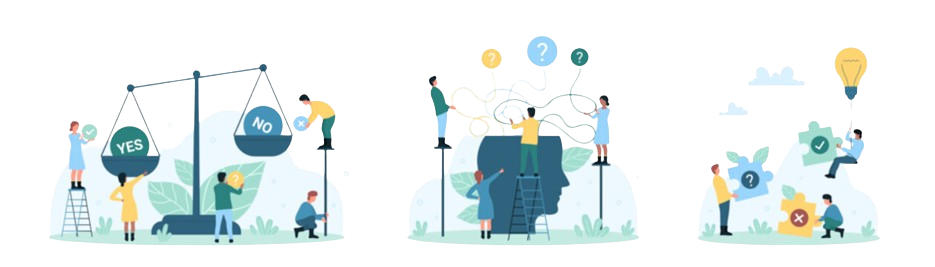
Why We Miss What’s Stressing Us
We’re taught to look for obvious stressors:
- Deadlines
- Financial issues
- Big conflicts
- Health scares
But modern stress often hides in micro-loads:
- Constant availability
- Emotional labor
- Self-monitoring
- Decision fatigue
These don’t feel dramatic enough to justify saying “I need help”. So we don’t. We push through. And the pressure keeps stacking.
Step One: Audit Your Emotional Background Noise
Close your eyes for a moment and ask:
“What am I constantly carrying, even when I’m resting?”
Here are some common invisible stressors people discover during this audit:
1. The Pressure to Be Reachable
Notifications. Messages. Replies.
The subtle belief that you should always respond quickly or risk being seen as careless.
Your nervous system never fully powers down.
2. The Role You’re Always Playing
The strong one.
The listener.
The fixer.
The responsible one.
Roles become pressure when you don’t remember choosing them.
3. Unfinished Emotional Conversations
Things you never said.
Apologies you never received.
Boundaries you rehearsed but didn’t set.
Your brain keeps these tabs open, quietly using energy.
4. The “I Should Be Grateful” Guilt
You tell yourself:
Others have it worse.
Gratitude is healthy.
Silencing your discomfort with it is not.

Step Two: Notice Where Stress Shows Up in the Body
Invisible pressure rarely starts in thoughts.
It shows up physically first.
- Tight jaw
- Shallow breathing
- Heavy shoulders
- Random irritability
- Mental fog
The body often asks for health support long before the mind admits it might need therapy or structured care.
This is not weakness. It’s biology.
Step Three: Track, Don’t Judge
This is where journaling for mental health becomes powerful.
Not aesthetic journaling.
Not motivational quotes.
Just honest noticing.
Try this Pressure Log for 5 days:
- What drained me today?
- What did I tolerate instead of address?
- When did my body tense without a clear reason?
This kind of wellness journaling isn’t about fixing anything. It’s about seeing patterns. And patterns are the first step to change.
Research from the University of Texas shows that health journaling can reduce stress and improve emotional regulation by up to 23% when practiced consistently.
Step Four: Identify “Quiet Obligations”
Ask yourself:
- Who do I feel responsible for emotionally?
- Where do I over-explain?
- What do I do out of fear, not choice?
Quiet obligations often masquerade as kindness.
But kindness without consent becomes pressure.
Letting go doesn’t mean becoming careless.
It means protecting your well being and mental health.
Step Five: Replace Noise With Intentional Pauses
You don’t need a dramatic life overhaul.
You need intentional pauses.
Small, grounding practices like:
- 3 minutes of stillness between tasks
- Short meditations for mental health
-
One daily check-in question:
“What do I need right now?”
These moments signal safety to your nervous system. Over time, they enhance mental health by lowering baseline stress.
When You Realize: “I Actually Need Support”
Many people reach a point where self-awareness isn’t enough.
That realization often sounds like:
- I need help
- I need therapy
- I can’t do this alone anymore
That’s not failure.
That’s clarity.
Modern mental health app platforms and digital health guides have made health and support more accessible than ever, especially for people who feel hesitant about traditional therapy.
Some platforms now combine:
- Guided journaling therapy
- AI-assisted reflections
- Emotional check-ins
- Personalized insights for your wellness
This blend of AI in mental health and human-centered design helps people notice patterns they’ve ignored for years, without judgment or pressure.
Quietly. Consistently. On their terms.

A Gentle Note on AI as Emotional Support
Used thoughtfully, Artificial Intelligence for mental health can act as a mirror, not a replacement for human care.
Tools that offer:
- Reflection prompts
- Mood tracking
- Emotional pattern recognition
can help people articulate feelings they struggle to name.
Platforms like ChatCouncil, for example, focus on structured emotional check-ins, guided reflections, and consistent support helping users build awareness without overwhelm. It’s not about instant answers, but about creating space for clarity, especially on days when asking for help feels hard.
Step Six: Decide What You’re Willing to Carry Forward
After your audit, ask:
- What pressure is optional?
- What stress belongs to someone else?
- What would I release if I trusted myself more?
This isn’t about becoming carefree.
It’s about choosing consciously.
Reducing invisible pressure doesn’t just lower stress - it can enhance the quality of life, improve focus, and restore a sense of internal calm.
The Most Important Question of the Audit
Before you close this page, ask yourself:
“If nothing changes, how will this pressure feel one year from now?”
Awareness is already movement.
Noticing is already progress.
Your emotional wellbeing doesn’t require perfection.
It requires honesty, support, and the courage to listen to what’s been whispering all along.
And sometimes, the bravest thing you can say - to yourself or someone else is simply:
I need help.
That sentence isn’t the end of strength.
It’s the beginning of real well beings.
Your stress isn’t always loud. But it always deserves attention.